

Building New vs. Remodeling
New Build vs. Remodel: What’s the Smarter Investment for Your Home?
When homeowners begin thinking about expanding or upgrading their space, one major question quickly rises to the surface: Should we remodel… or should we (re)build new construction?
At H2D, this is one of the most important strategic conversations we have with clients early in the design process. The right answer is not always an easy one. It is not just about square footage—it’s about long-term value, design flexibility, cost efficiency, and how you envision your home functioning over the long term.
Building a New Home: When Starting Fresh Makes Sense
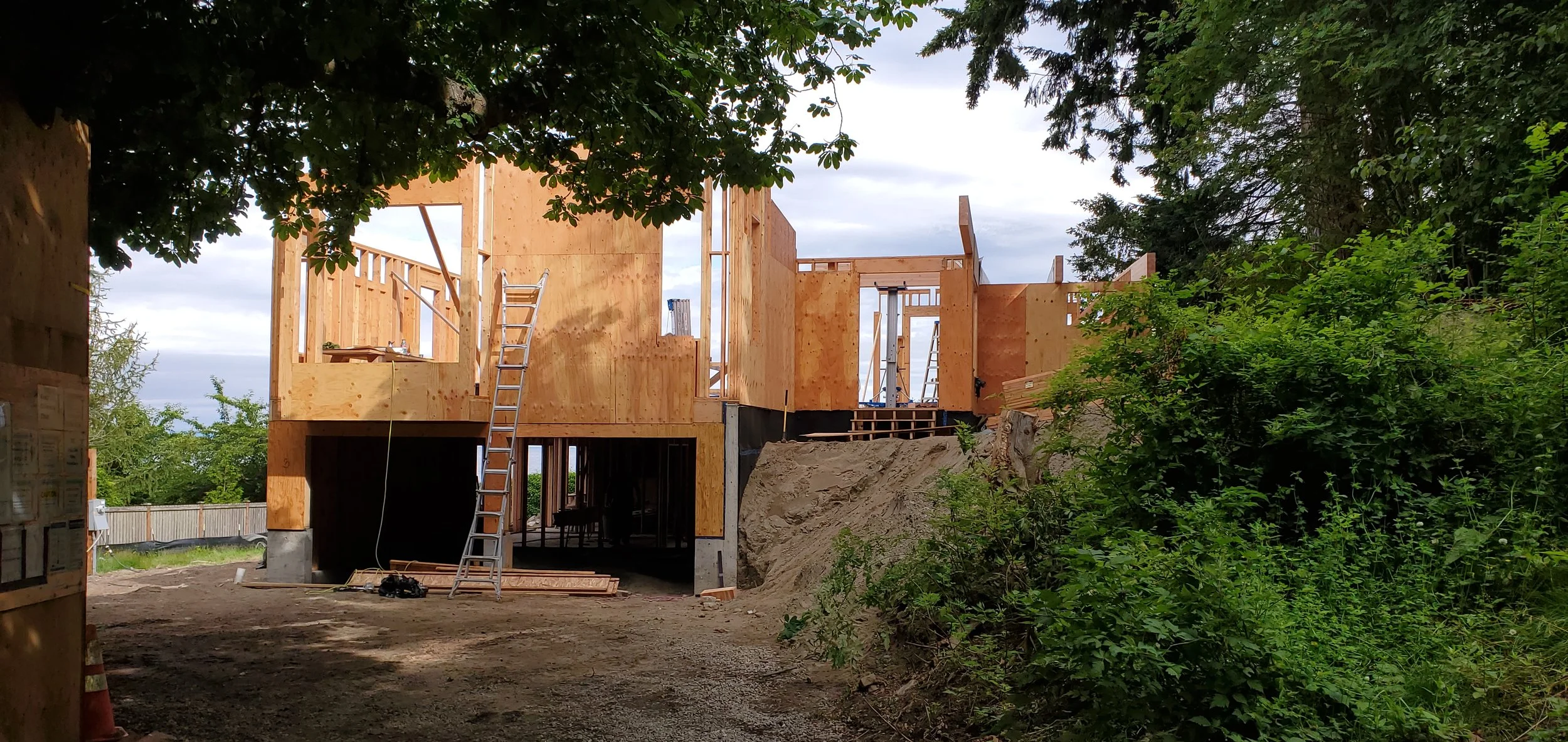
H2D’s Edmonds Sound and Stream Project during construction.
Choosing to build new offers one powerful advantage: total design freedom.
Benefits of New Construction
1. Complete Design Control
A new build allows our team at H2D to design your home around how you live, without being constrained by existing layouts or structural limitations. This allows us to design every room with intention, tailored to how you live your daily life or intend to use the space.
2. Energy Efficiency & Performance
New construction makes it easier to incorporate:
High-performance insulation systems
Advanced HVAC design
Sustainable materials
Smart home integration
Current building codes without retrofitting compromises
3. Long-Term Value
A thoughtfully designed custom home often provides stronger long-term returns in comfort, efficiency, and resale appeal.
4. Fewer Structural Surprises
New construction reduces the risk of uncovering hidden damage in foundations, framing, or utilities.
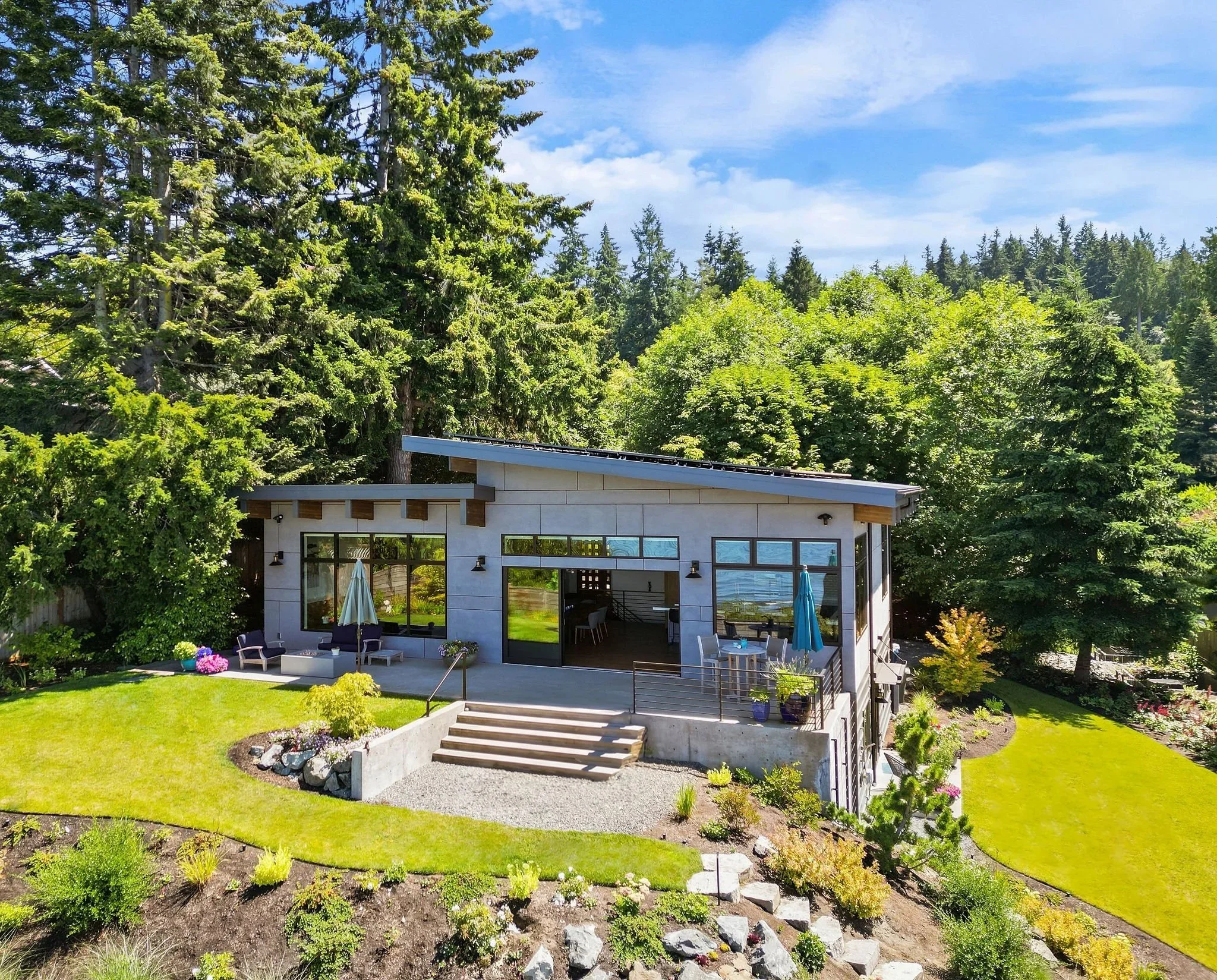
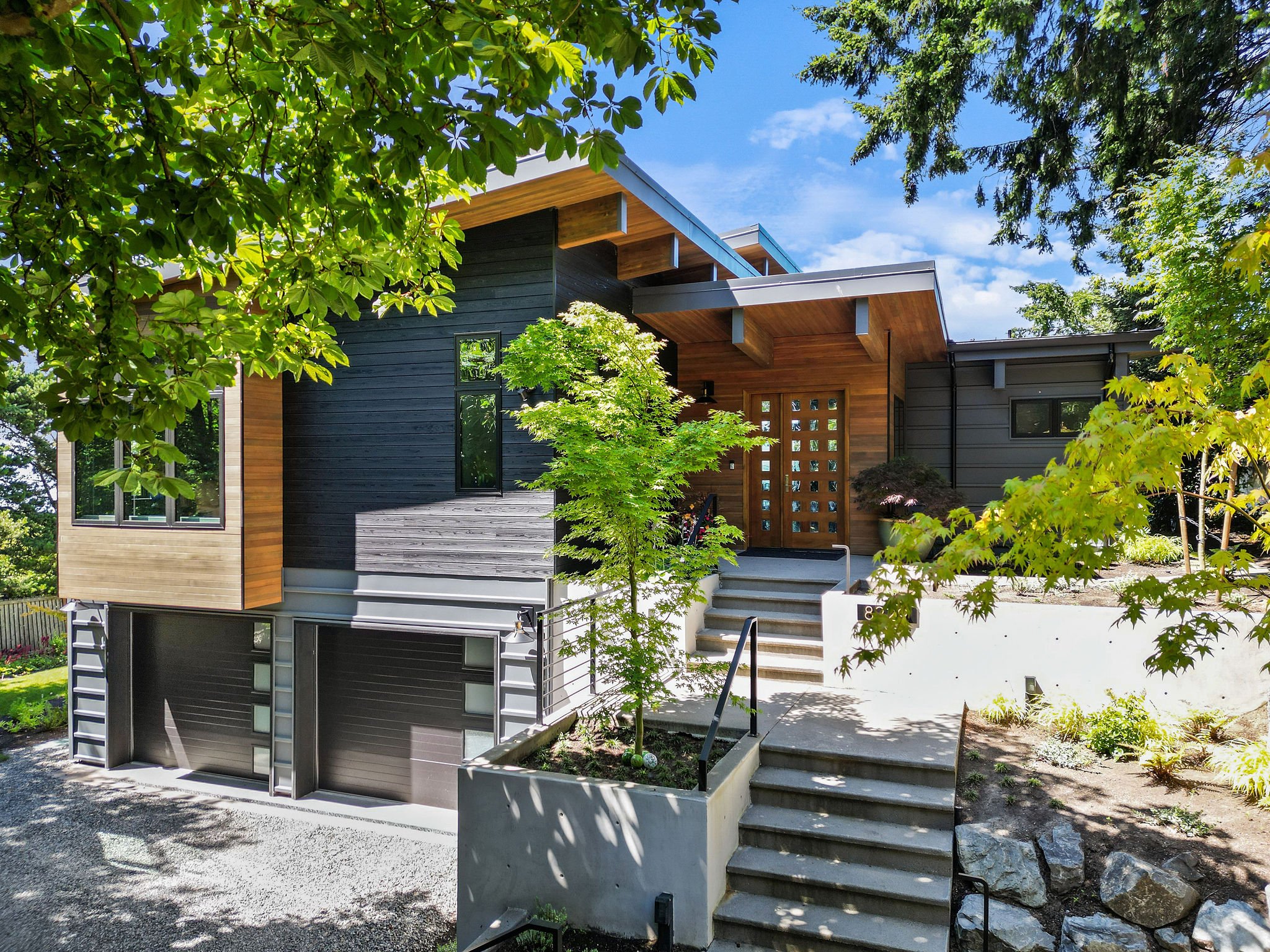
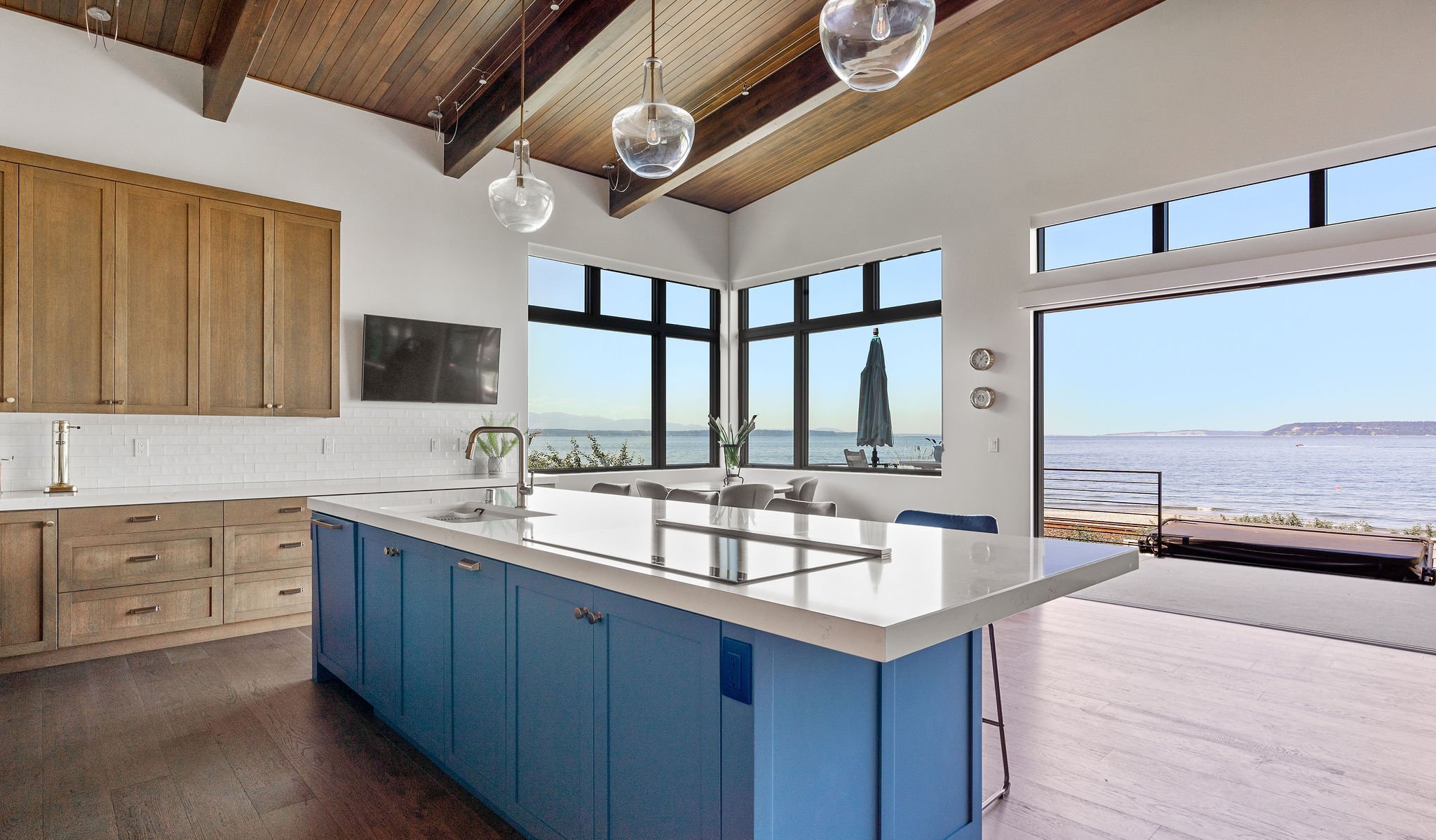
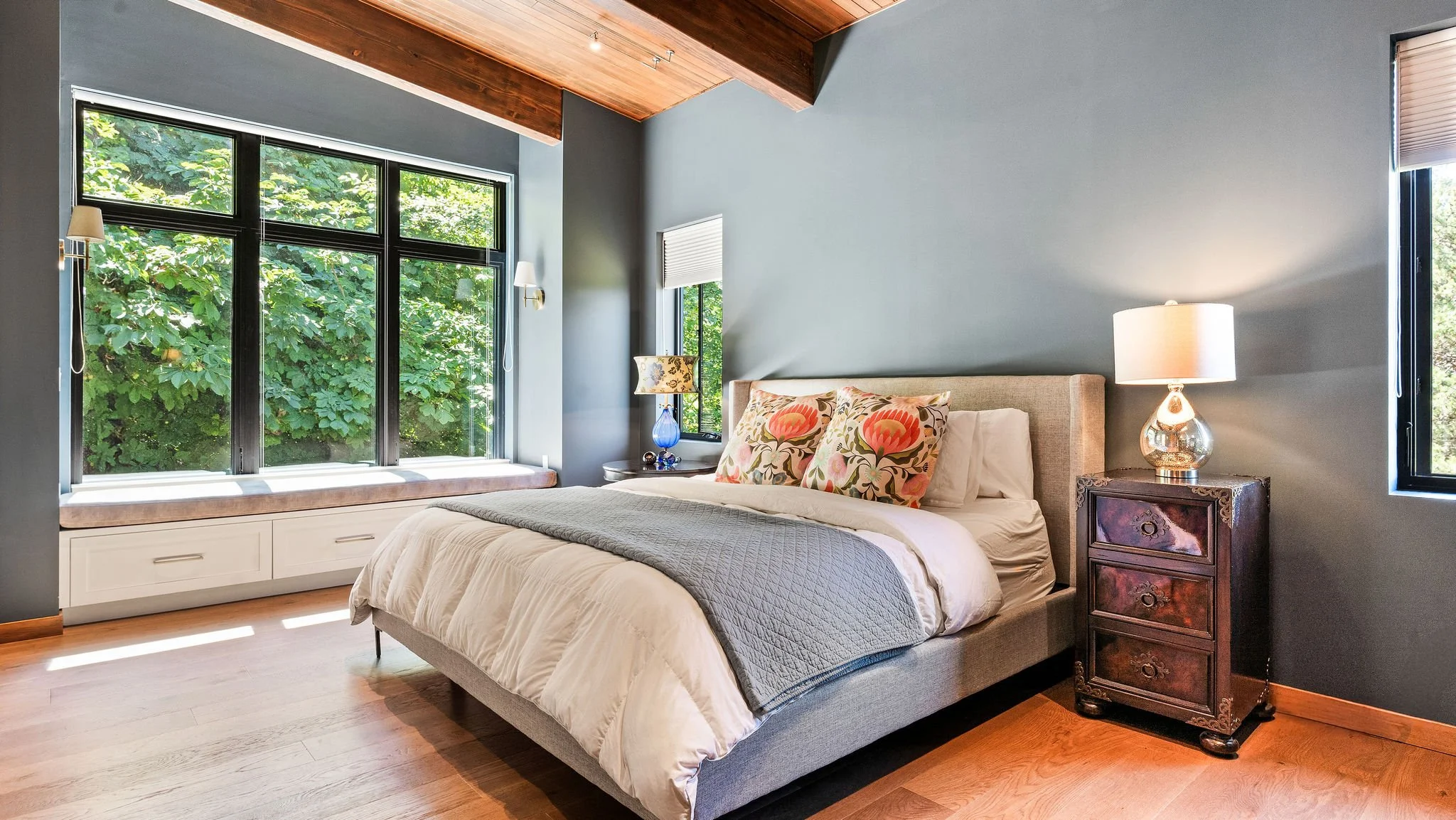
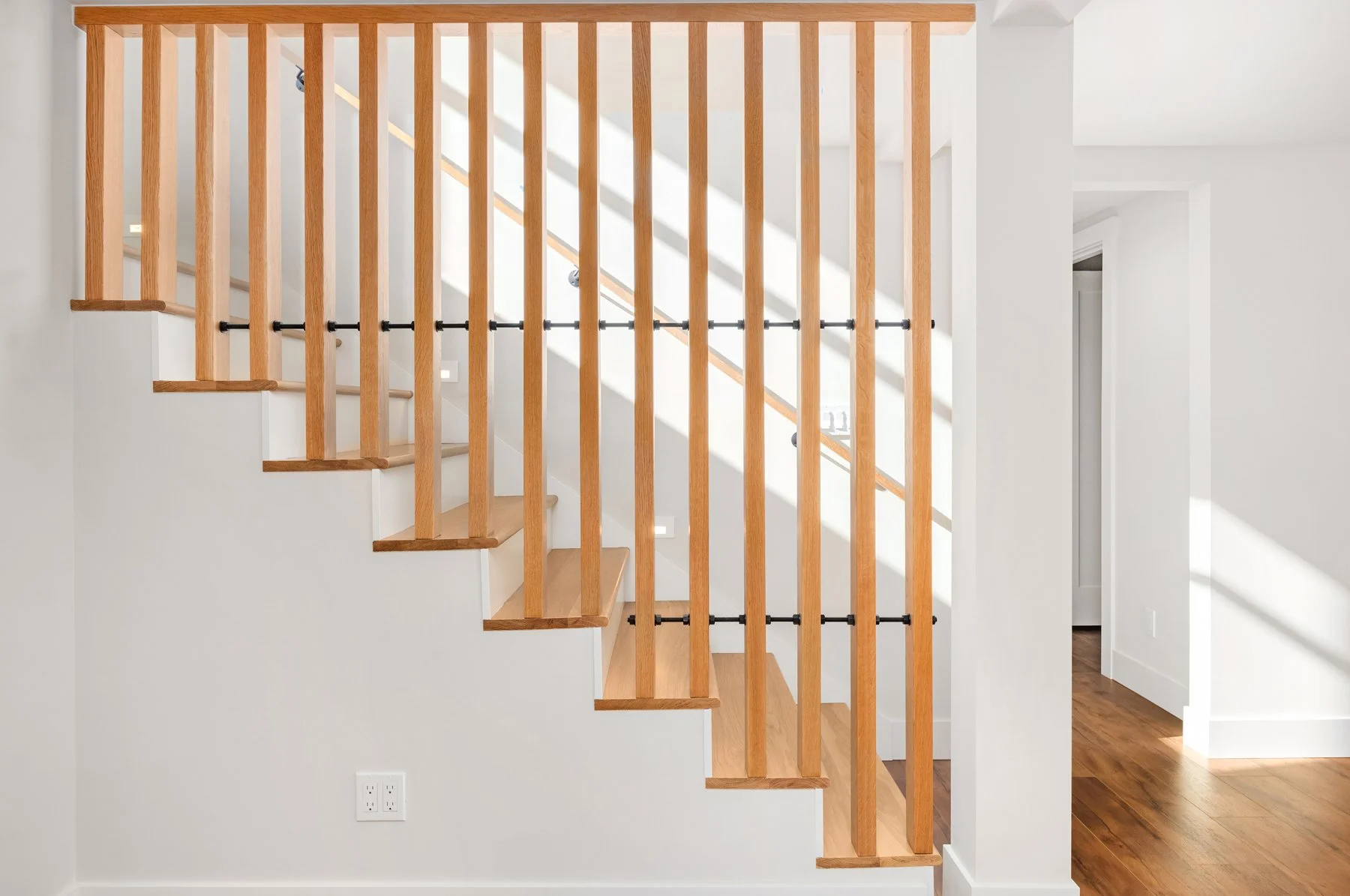
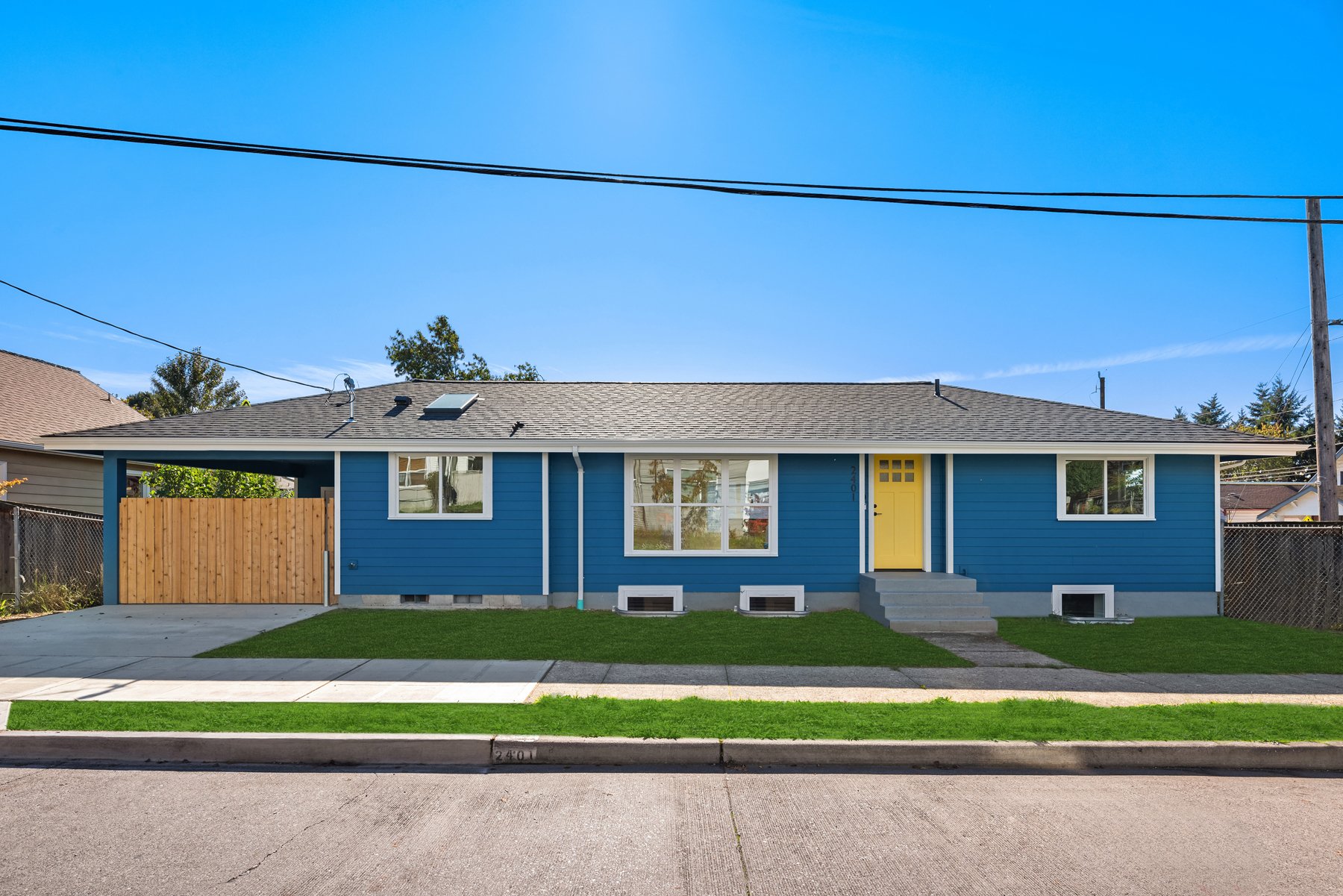
Pursuing new construction may be right for you if your existing home has major structural issues, proposed layout changes may require significant demolition, or upgrades for energy performance would require significant changes to the structure. H2D Architecture + Design’s Edmonds Sound and Stream Project is an example of project where we pursued re-building the structure instead of remodeling. While the design maintained the existing foundation, the remainder of the home was demolished and rebuilt with a new layout, larger footprint, and new design aesthetic.
Remodeling Your Home: When Reinvention Is the Better Choice
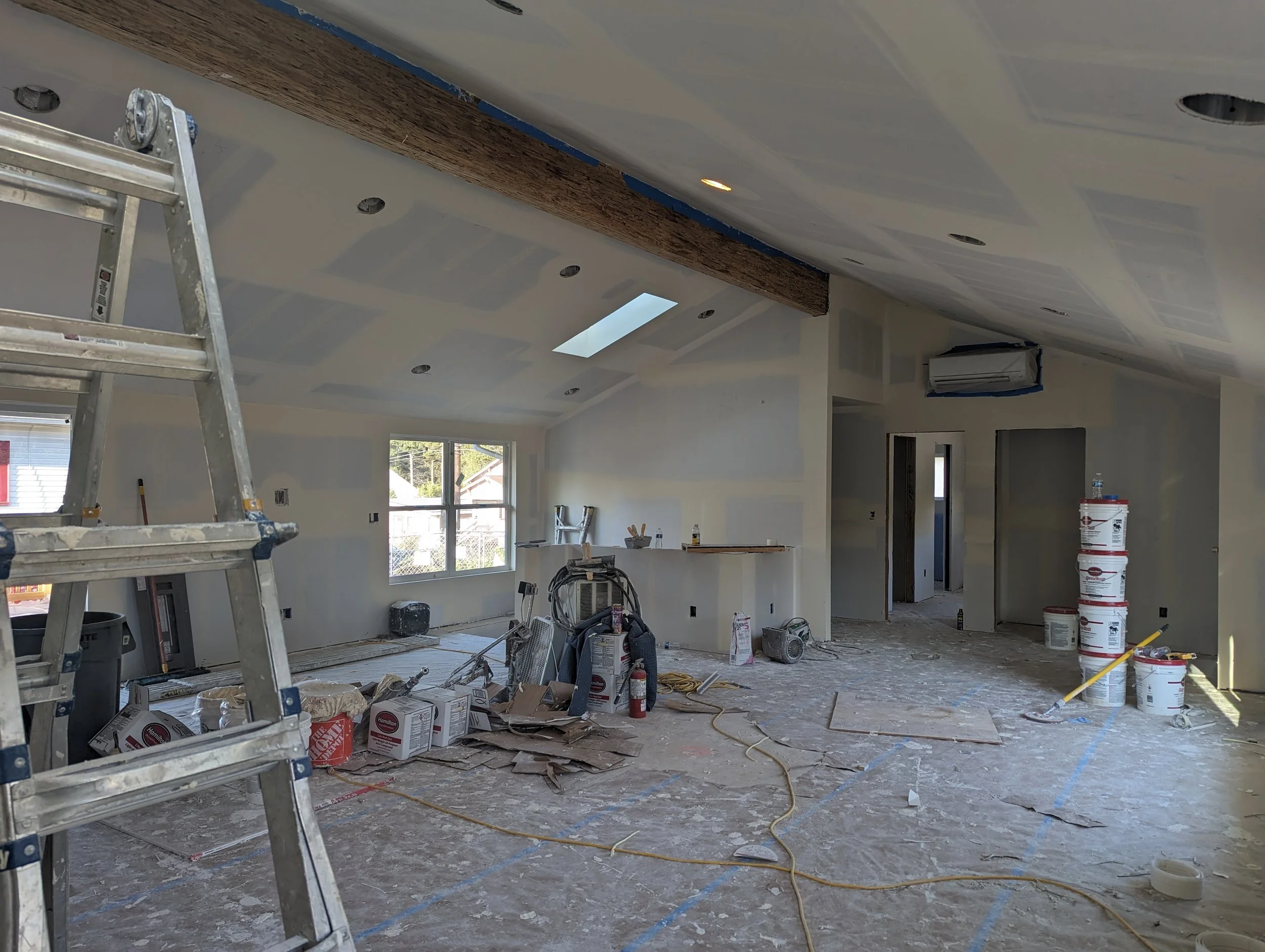
Our Beacon Hill Rehab Project during construction.
Remodeling allows you to upgrade your home while preserving what already works.
Benefits of Remodeling
1. Potential Cost Efficiency
When the foundation and structure are sound, strategic renovations can be more cost-effective than rebuilding from scratch. In particular for extensive remodels, the extent of demolition and renovation would be evaluated to help determine if the project would be more cost effective as a remodel or rebuild. H2D often collaborates with the build team to help determine the best route for the project (rebuild or remodel) and how it affects the construction budget.
3. Maintain Architectural Character
Older homes often contain craftsmanship and materials that are difficult or expensive to replicate today.
4. Targeted Improvements
If your remodel needs are focused on a specific area, such as a kitchen remodel, primary suite addition, or reconfiguring living space, a renovation can deliver high impact without the timeline or budget needed for a new build.
Remodeling may be the right decision for you if the structural system is in good condition, zoning or code restrictions restrict rebuilding, you want to preserve historic or sentimental value, or if the project is more limited to a specific space.
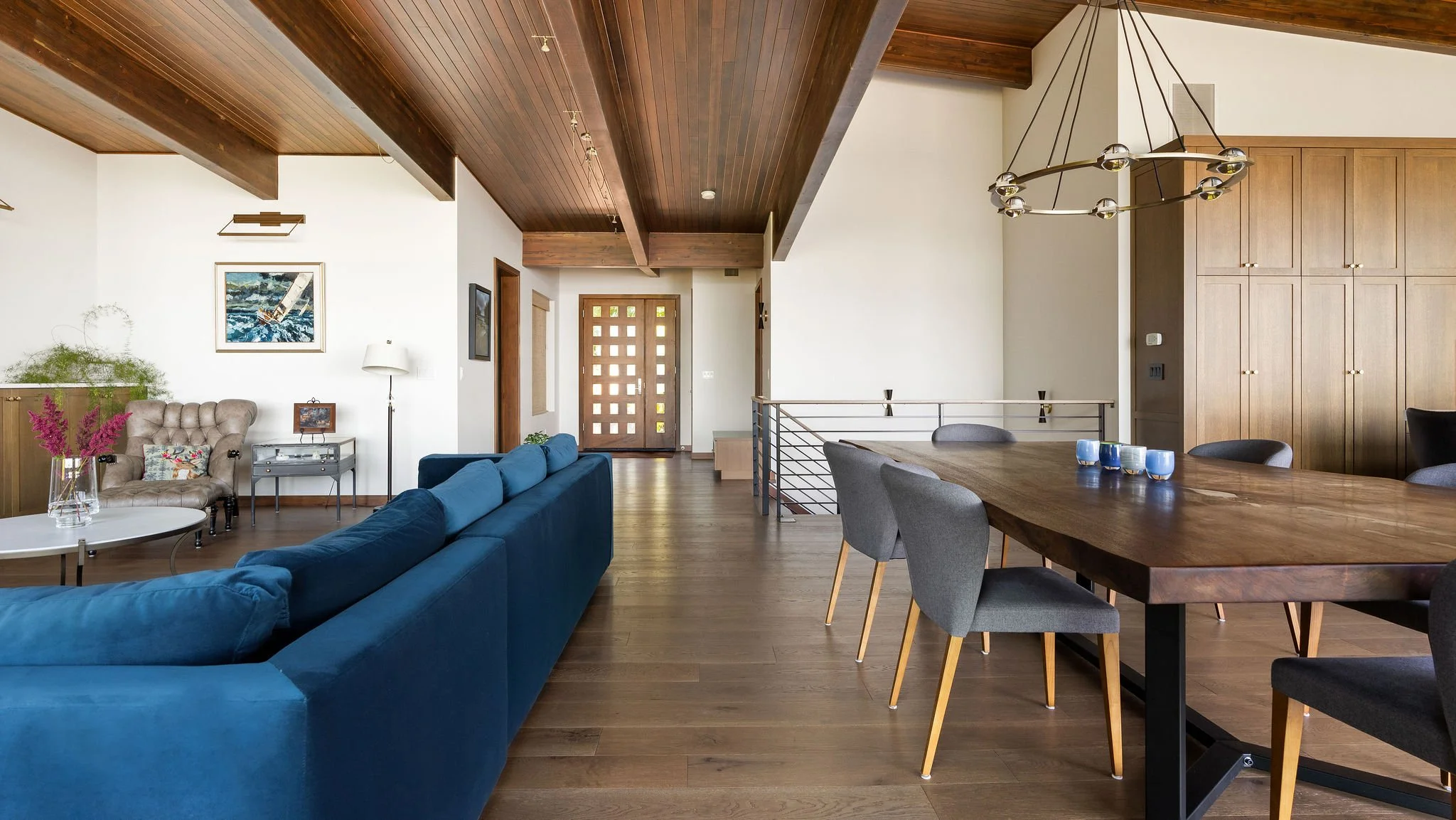
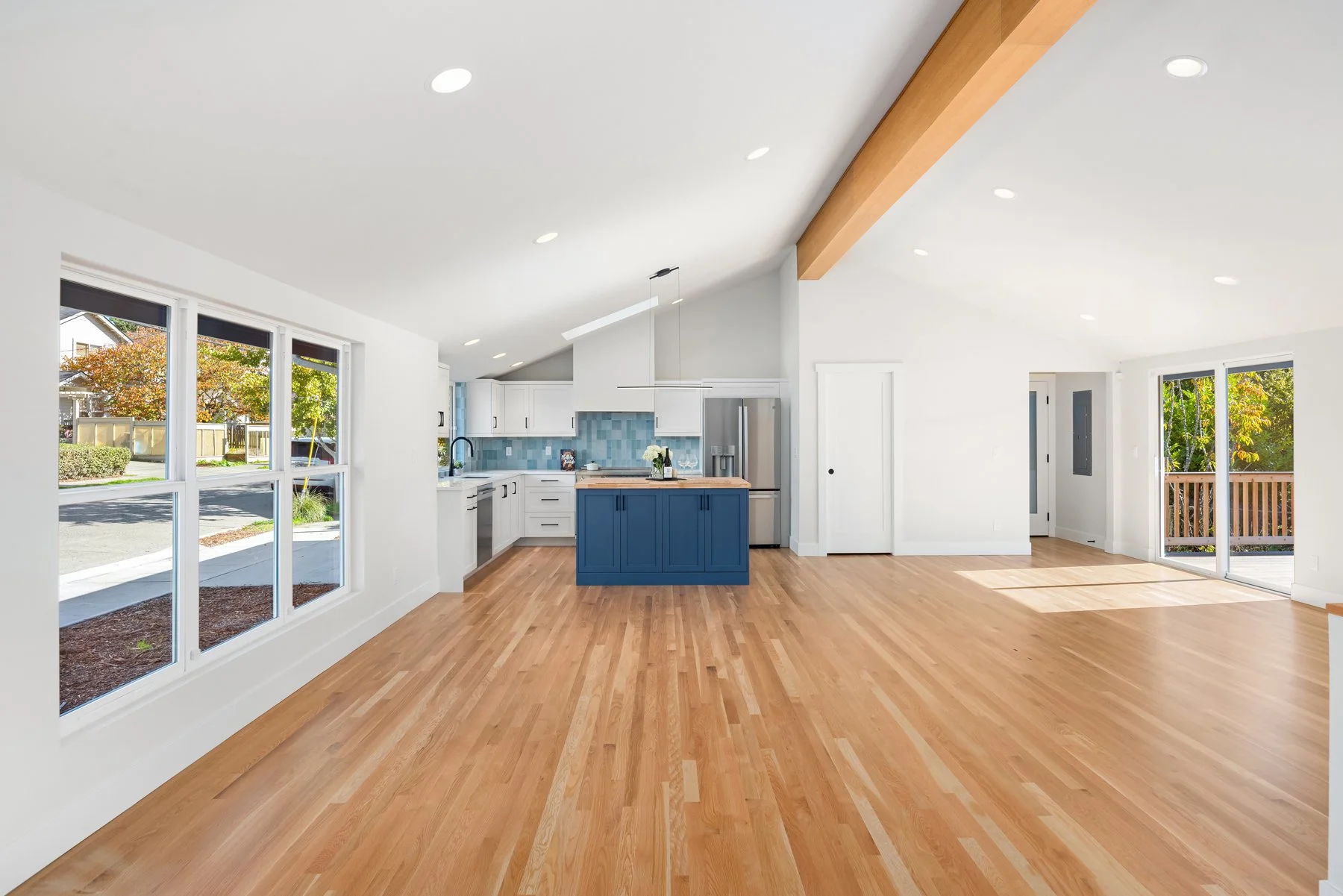
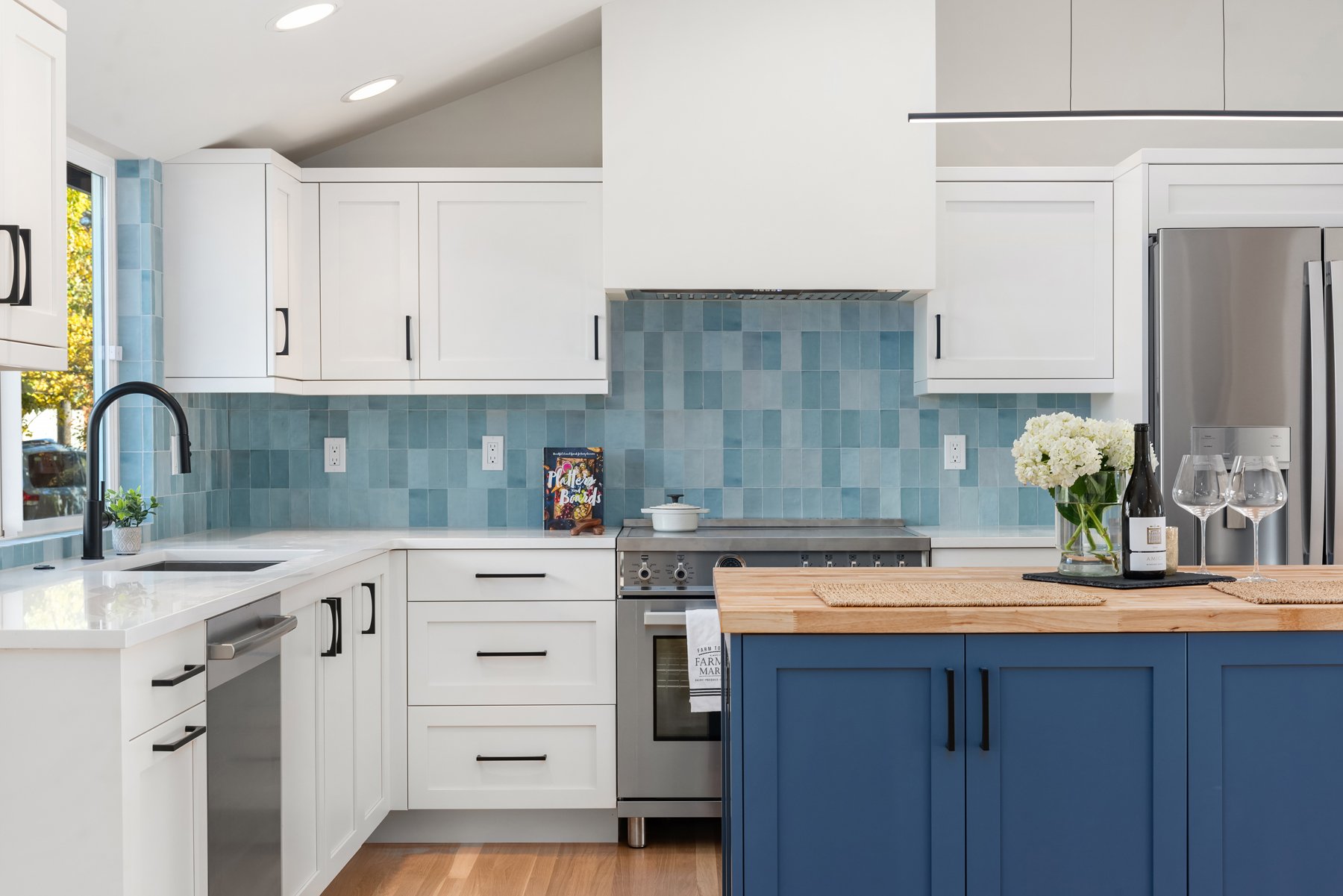
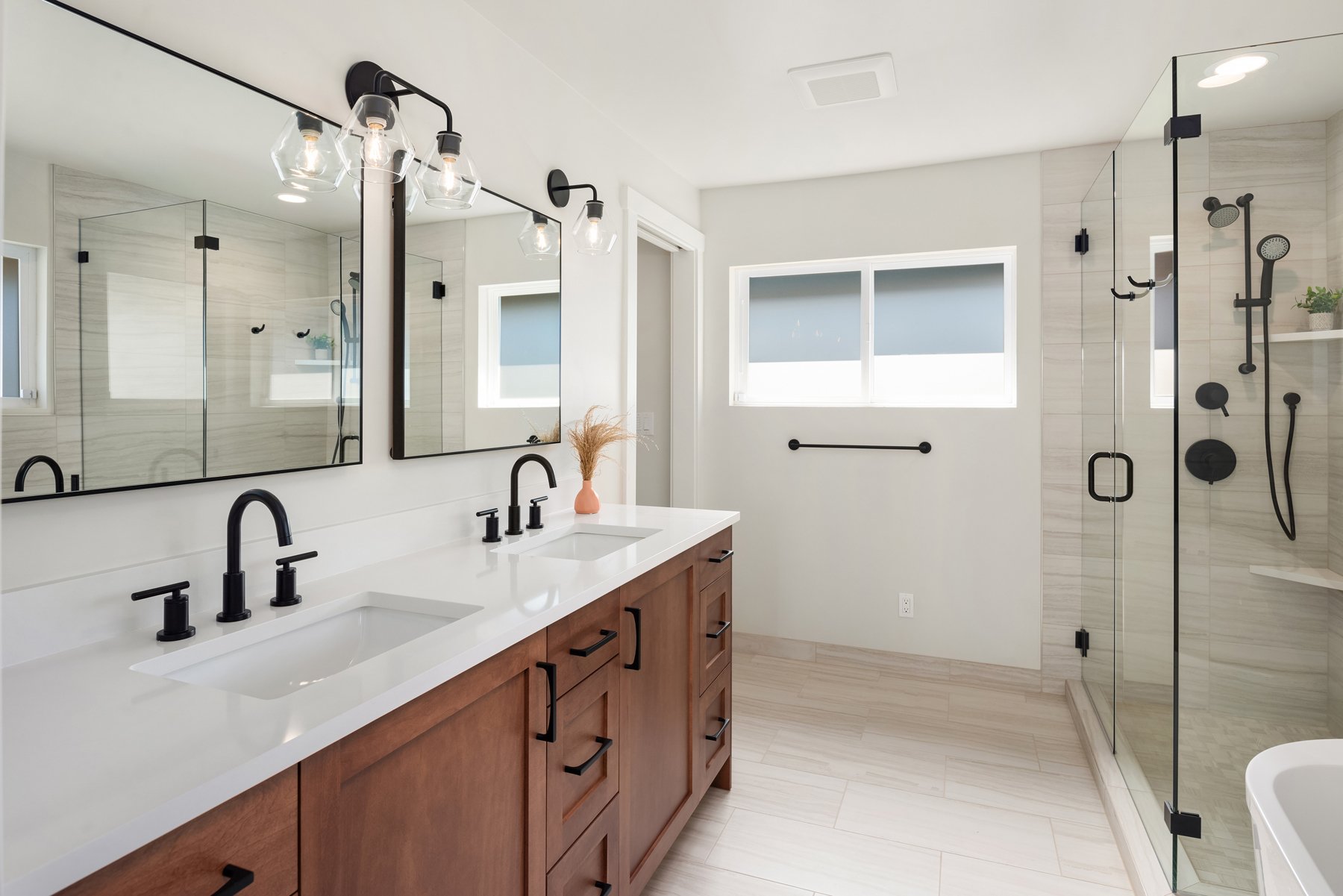
On H2D’s Beacon Hill Rehab project, we stripped back everything except for the foundation and the framing. This full-gut remodel allowed the clients to save cost on replacing the “bones” of the home, while still allowing for creating a new layout and new aesthetic for the home.
Key Factors to Evaluate for Remodeling vs. Rebuilding
There are several concerns in the “(re)build vs remodel” conversation and one of the biggest concerns is often cost. As part of the early design process, we typically involve a build team and consultants, such as a structural engineer and geotechnical engineer, to collaborate to help evaluate the cost and constructability for the project. Working together as a team, we can help to direct the best path forward in terms of constructability as well as for budget. As part of this evaluation, we can also help explore options for value engineering the project should the remodel be leaning towards a re-build, but the budget remains in the remodel realm. The design team will work with the owners to determine which parts and pieces of the project may need to be removed or revised in the design to tip the scale back to a remodel.
There are many other factors that clients may want to consider while analyzing the decision to rebuild or remodel. The design team will help the cilent evaluate code constraints or site constraints which may impact or prevent a rebuild. Another factor may be the client’s long-term vision for the property which may push the project one way or the other. Additionally, for many of us, our homes can hold deep meaning. Remodeling can allow you to stay in your home, where you’ve created beautiful memories. On the other hand, a custom build allows you to create a space that is truly yours and is aligned with who you are and the future you imagine for yourself. Often, there is a natural tipping point in many renovation projects. If we are removing most interior walls, replacing mechanical systems, reinforcing the structure, or expanding significantly, then the project may functionally become a rebuild. In these scenarios, building new can sometimes be the smarter investment.
Build or Remodel? The Right Answer Is Strategic, Not Emotional
There is no universal “better” option — only the right solution for your property, budget, and long-term goals.
Ready to Explore Your Options?
Choosing between building new and remodeling is a major decision. At H2D, we believe that thoughtful conversation is the first step to finding the right solution.
Contact us to set up a consultation and feasibility study.