

Arlington Art + Farm
Location: Arlington, WA
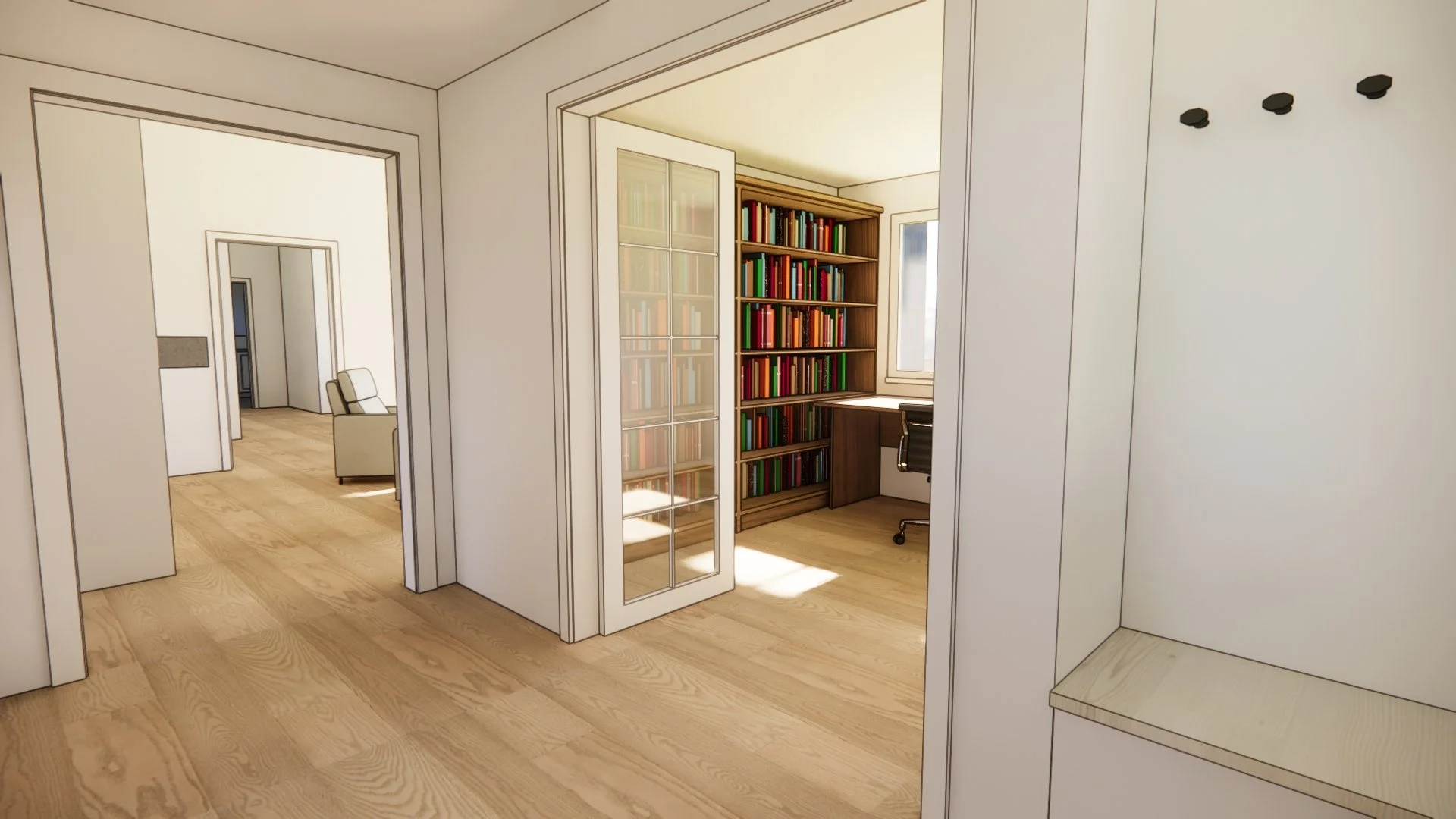
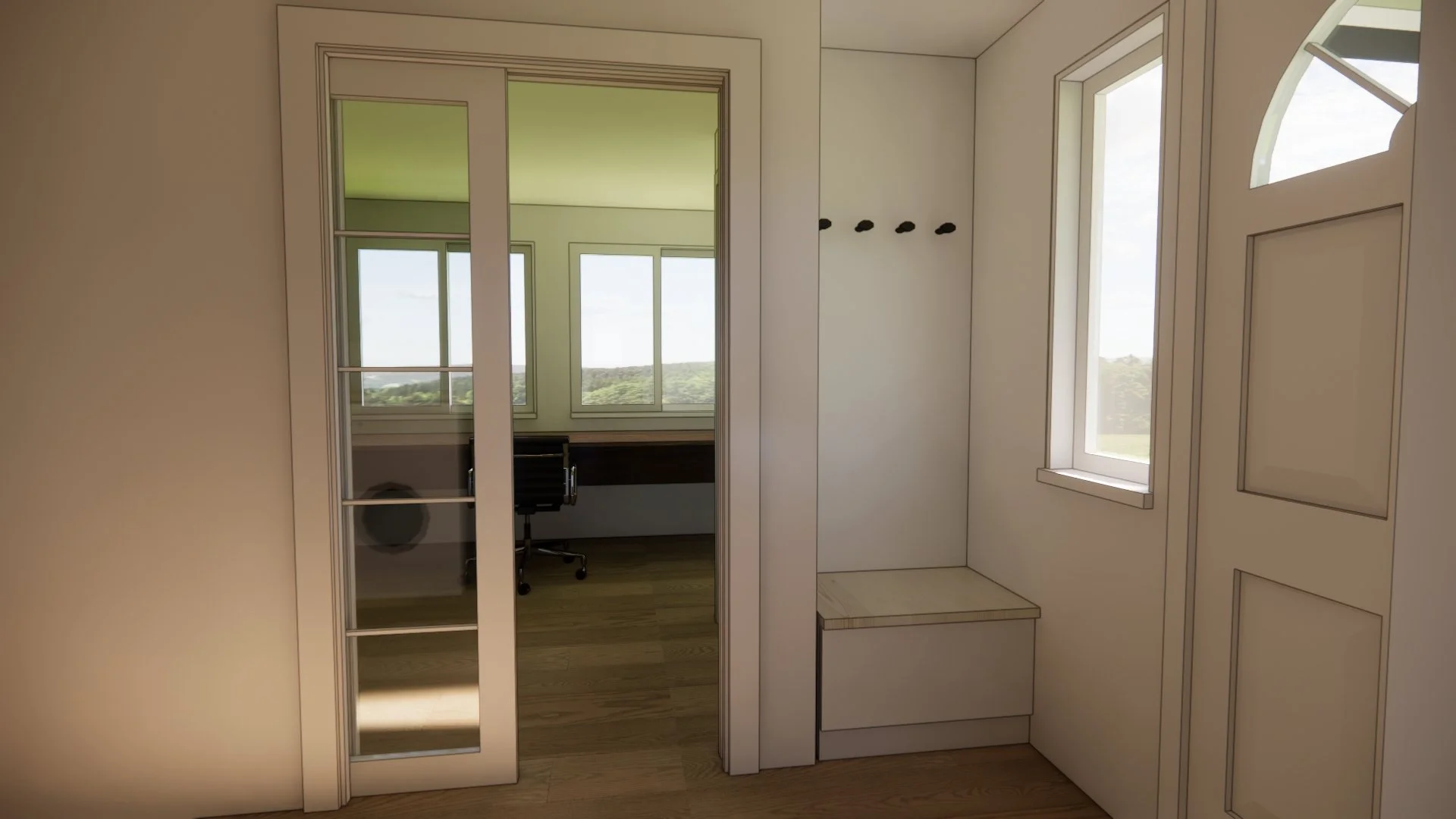
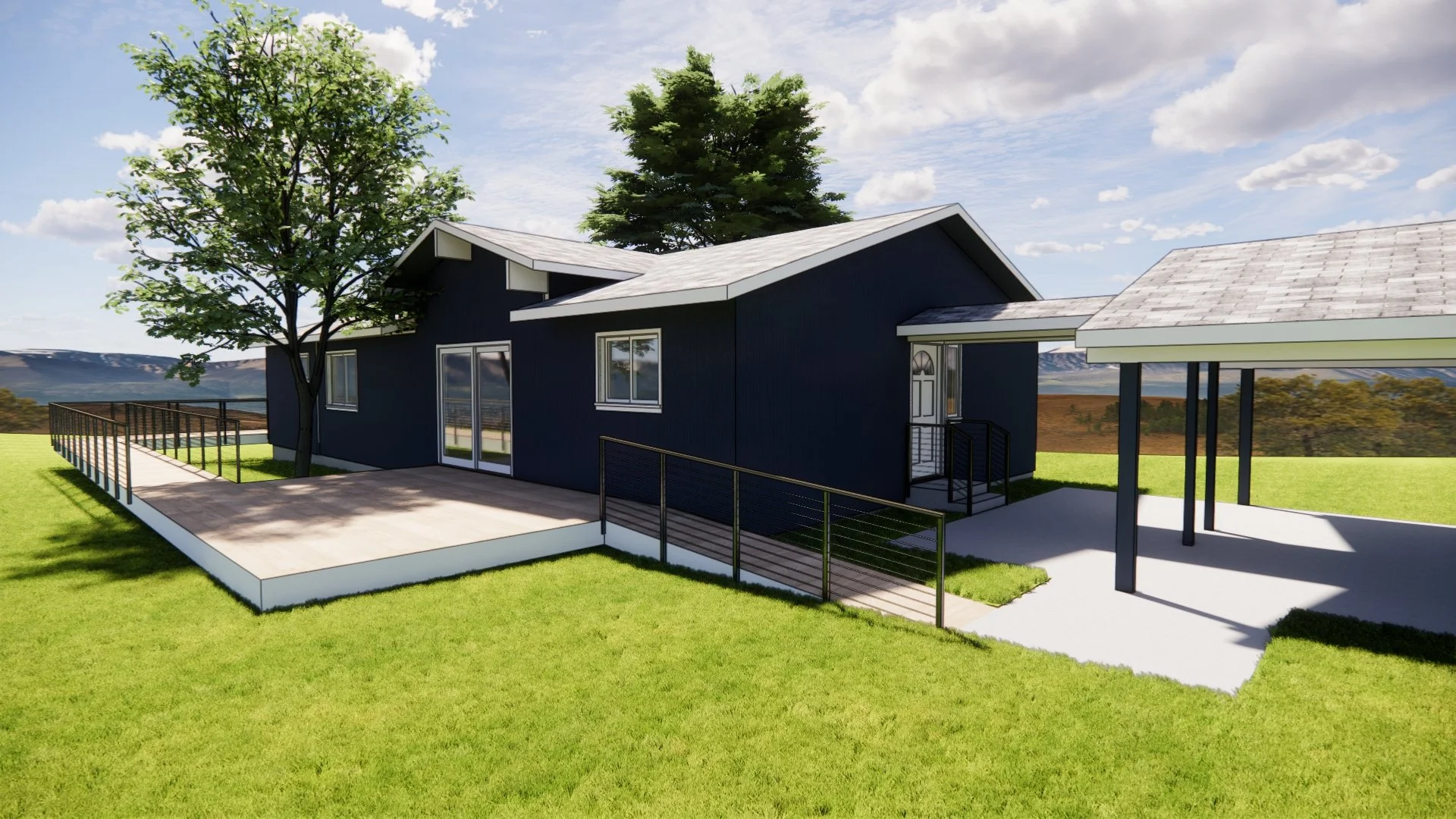
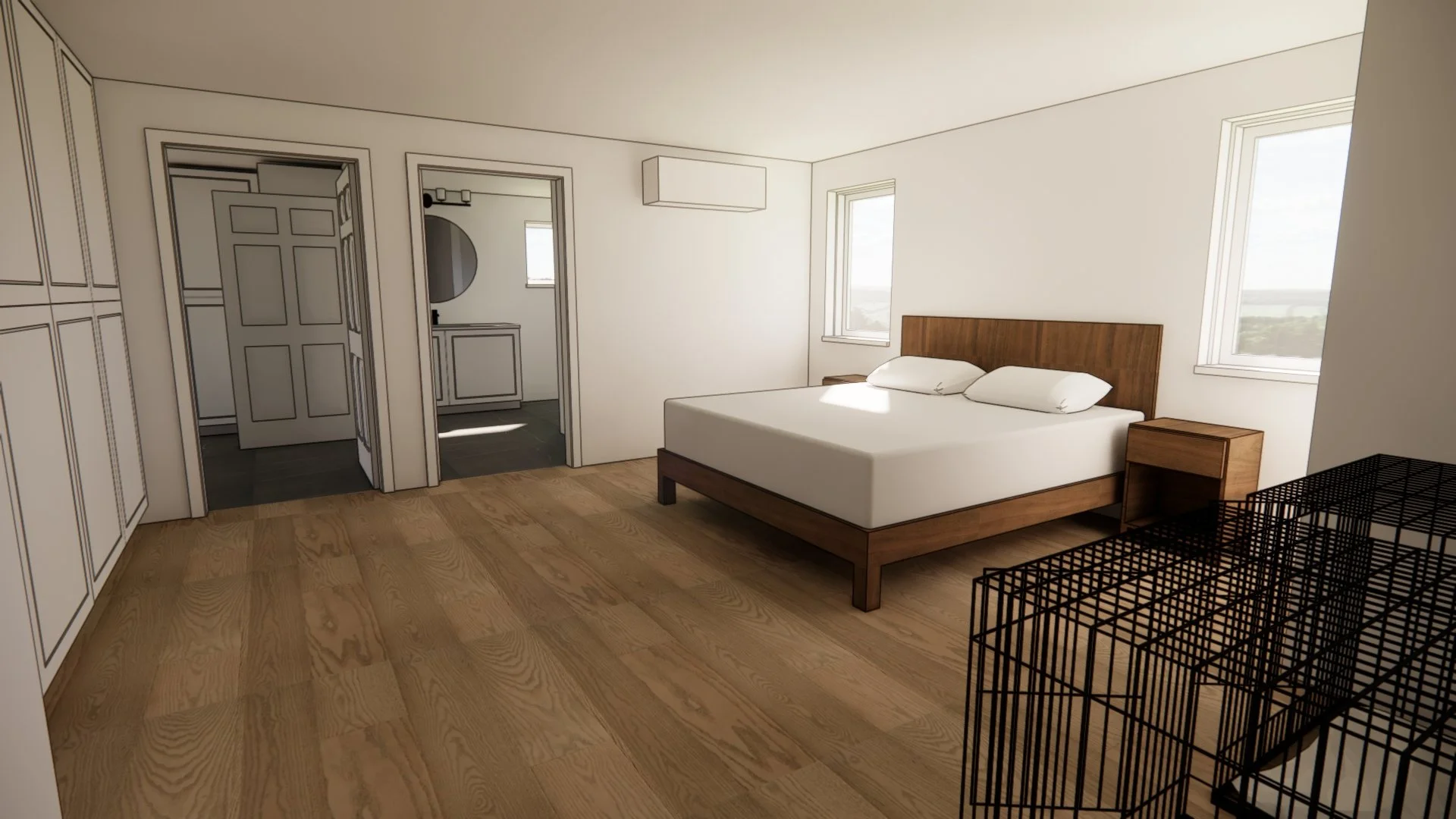
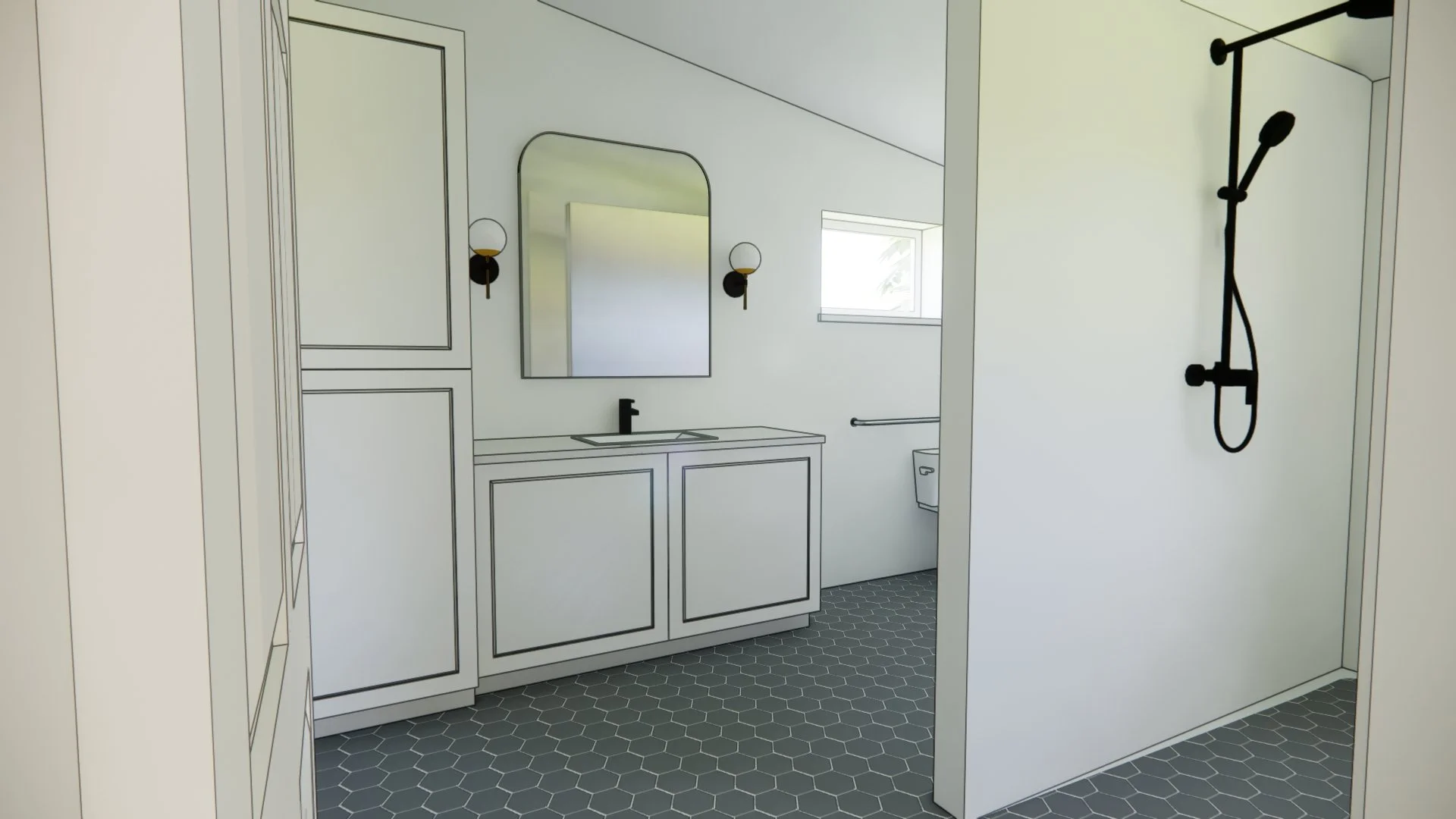
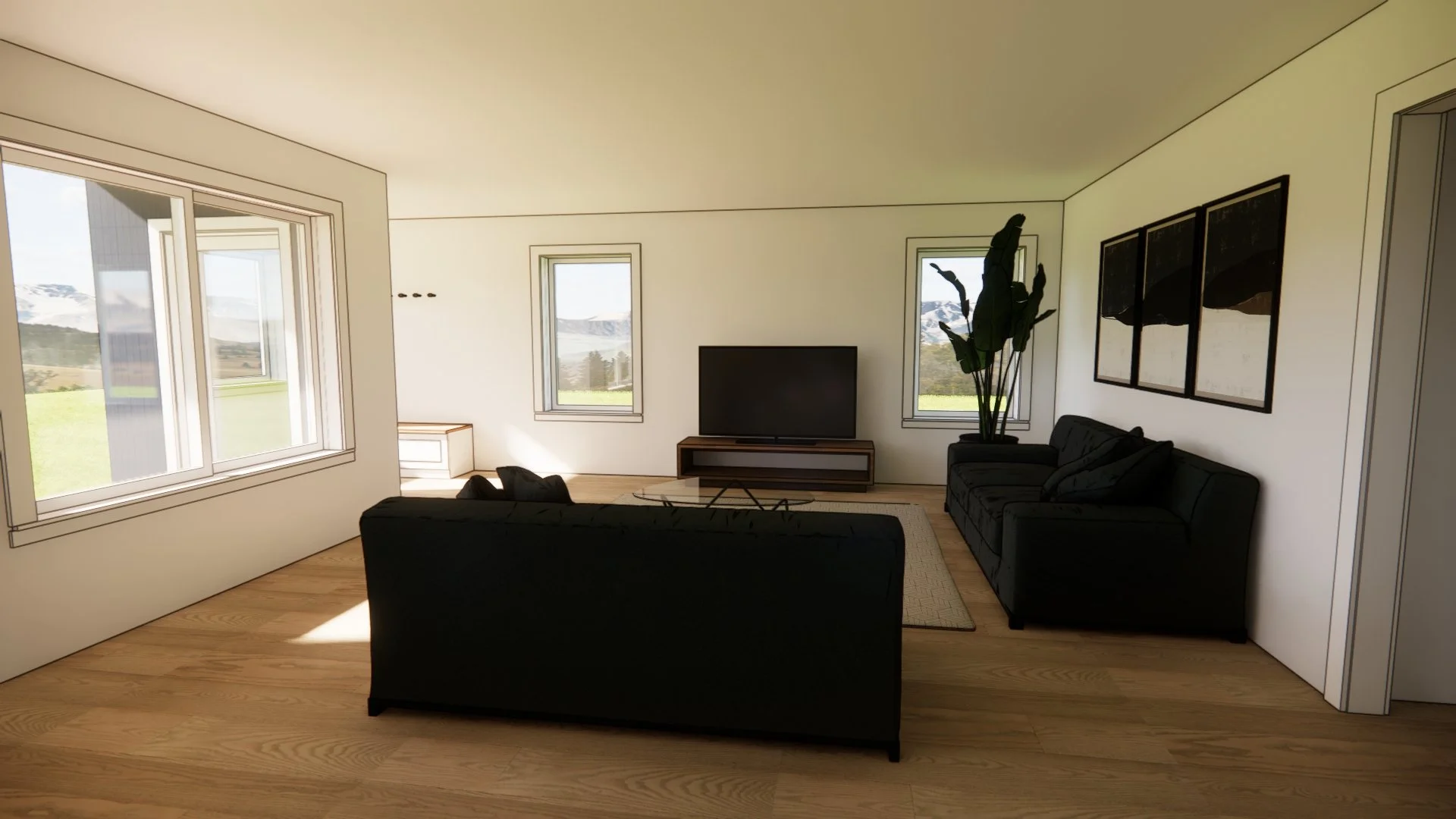
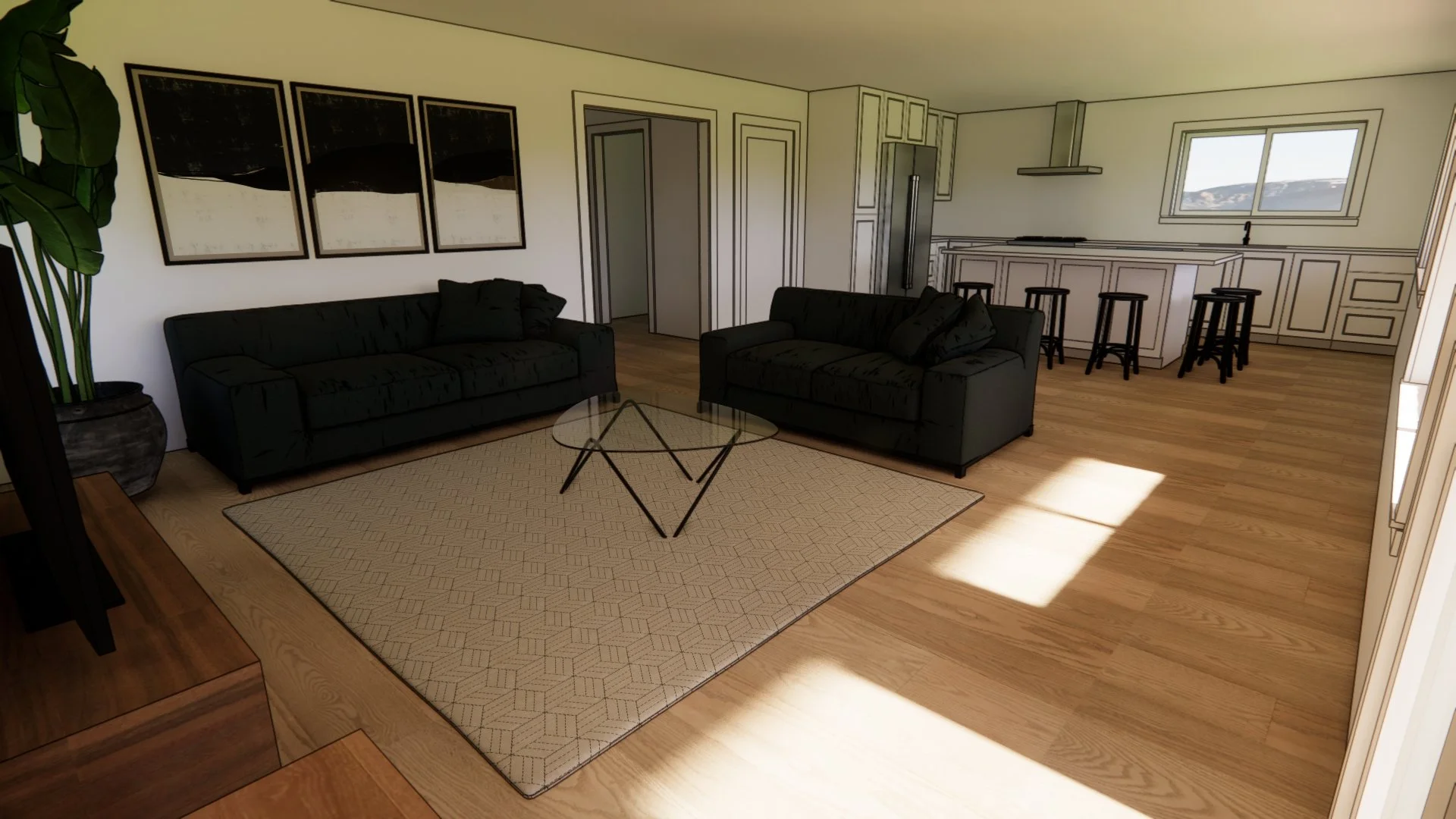
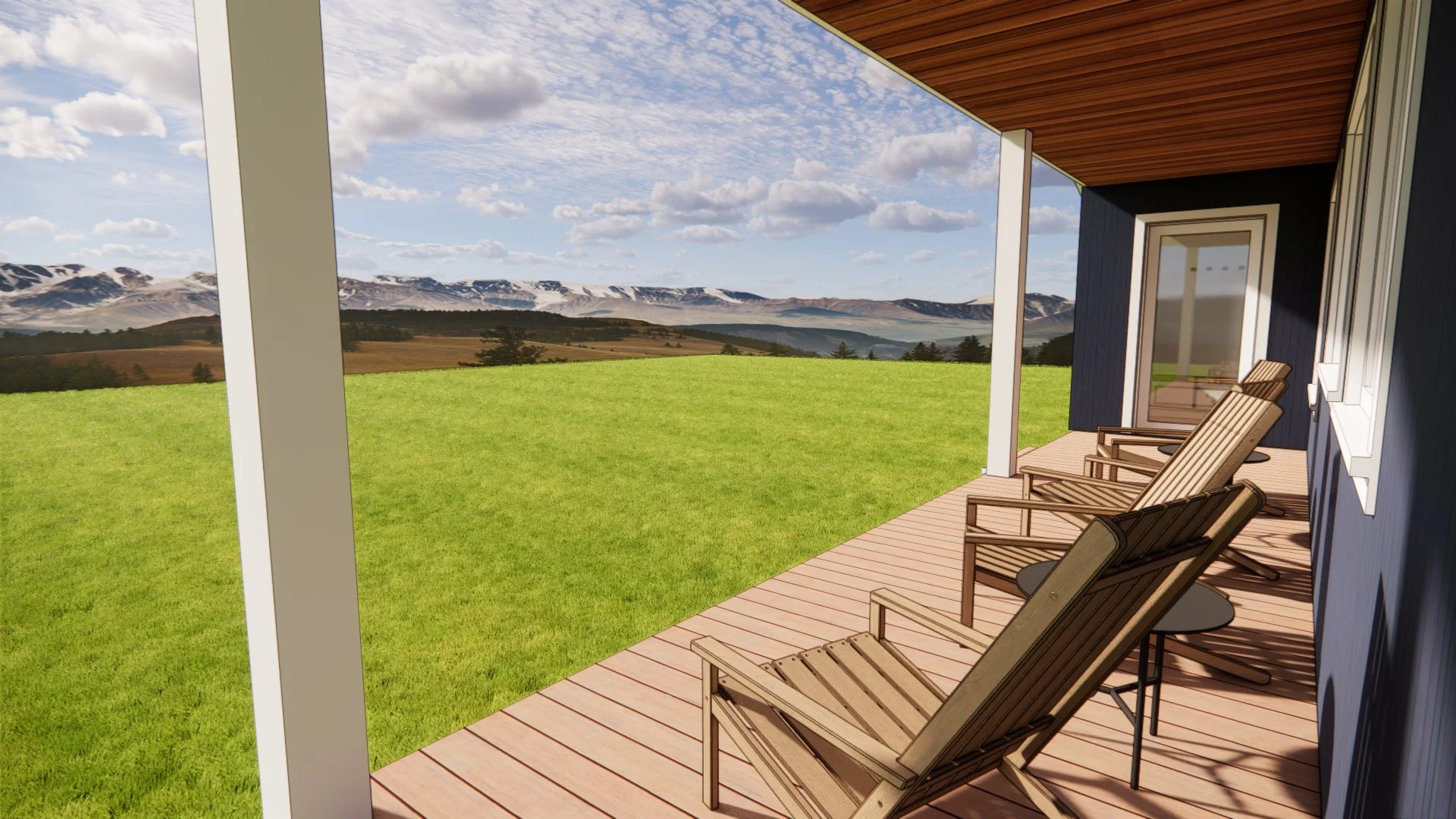
Design Goals: This Arlington farmhouse renovation was designed to improve accessibility, functionality, and comfort while preserving the home's rural character. The project includes a substantial addition that expands the living spaces and creates a layout that supports aging in place while accommodating the homeowners' long-term accessibility needs. To provide a fully accessible route without making it a dominant architectural feature, a gently integrated ramp was incorporated along the rear of the home, leading to a new mudroom addition. Serving as a practical transition between the working farm and the interior, the mudroom helps contain the realities of rural living while providing organized everyday storage. The addition also introduces a private guest suite complete with an en-suite bathroom and walk-in closet. Existing interior spaces were thoughtfully reconfigured to create a larger primary bedroom, accessible bathroom, improved kitchen functionality, and a generous walk-in pantry, all while enhancing accessibility throughout the home. The kitchen was completely remodeled with updated finishes, fixtures, and appliances. The laundry area was redesigned to accommodate a side-by-side washer and dryer, improving ease of use and accessibility. Additional improvements included replacing flooring throughout the home, updating the exterior siding, and exploring options to replace the existing fireplace insert with a wood stove better suited to the owners' lifestyle and the rural setting. Beyond the main residence, the project included the design of a new detached accessory dwelling unit (DADU). The compact one-bedroom residence features a full kitchen, bathroom, and living area, providing flexible accommodations for family members and guests. The project also included an accessory building for the artist homeowner to pursue her artistic endeavors. The new dedicated outbuilding is designed to house a chicken care area, storage room, and a pottery studio. Positioned to maximize natural daylight, the structure provides a bright and inspiring workspace for the homeowner to create art.
Style: Eclectic transitional
Design Challenges + Site Constraints: The project presented several unique site planning challenges that required careful coordination between accessibility goals, environmental constraints, and utility infrastructure. A primary objective was creating an accessible route from the parking area to the residence without introducing a visually prominent ramp that would detract from the character of the property. The accessible pathway was thoughtfully integrated into the site and building design, allowing it to function seamlessly while minimizing its visual impact. Environmental considerations also played a significant role in the planning process. The presence of regulated wetlands and associated buffers limited the buildable area of the site, requiring all new structures and improvements to be carefully positioned within the remaining developable portions of the property. These constraints influenced the location and orientation of buildings, circulation paths, and utility infrastructure. The addition of a detached accessory dwelling unit further increased the complexity of the site design by necessitating a new septic system and well. Locating these systems while maintaining required setbacks from wetlands, structures, and each other required a coordinated approach.
Team:
Architecture + Interior Design: H2D Architecture + Design